

How Third-Party Logistics Companies Can Affect Denver Truck Accident Lawsuits
Can a Freight Broker or Logistics Company Be Held Responsible for a Denver Truck Accident?
Yes. In some Colorado truck accident cases, a freight broker or third-party logistics company may share liability if their actions contributed to unsafe conditions that led to the crash. Liability can arise from negligent hiring of unsafe carriers, unrealistic delivery schedules, improper load coordination, or failures involving safety compliance.
Determining whether a logistics company can be held responsible depends on the structure of the shipping arrangement and the facts surrounding the collision.
Commercial truck accidents are often far more complicated than standard car crashes. While many people assume liability stops with the truck driver or trucking company, modern freight transportation rarely works that simply.
Today’s trucking industry frequently involves multiple companies coordinating shipments behind the scenes. Freight brokers, third-party logistics providers (3PLs), shipping coordinators, subcontractors, and carriers may all play a role in getting cargo from one location to another.
When a serious crash occurs, these layered business relationships can make determining liability much more difficult. Let’s look at how third party logistics truck accident liability in Colorado works after a serious collision.
In many cases, identifying additional responsible parties may significantly affect the amount of insurance coverage available and the overall strength of the claim.
What Is a Third-Party Logistics Company?
A third-party logistics company, commonly called a 3PL, helps coordinate the movement of freight between shippers and carriers. Instead of transporting cargo themselves, many logistics companies manage:
- Shipment scheduling
- Carrier selection
- Freight coordination
- Delivery timelines
- Route planning
- Communication between parties
In modern trucking operations, these companies often act as intermediaries between the business shipping goods and the trucking company transporting them. Because so many entities may be involved in a single shipment, determining who controls specific decisions can be an important issue after a truck crash.
How Modern Freight Operations Complicate Truck Accident Cases
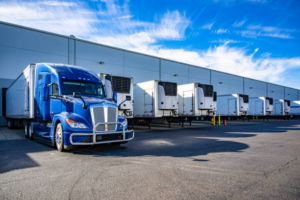
Commercial trucking has changed significantly over the last several decades. Many transportation companies now subcontract portions of the shipping process rather than handling everything internally.
For example, a single shipment may involve:
- A manufacturer or shipper
- A freight broker
- A third-party logistics coordinator
- An independent trucking company
- A leased driver or subcontractor
This layered structure can make truck accident investigations far more complex than ordinary vehicle collision cases. Understanding these relationships is often essential when evaluating who can be sued in a commercial truck accident in Colorado.
Also, after a serious crash, each company may attempt to shift responsibility elsewhere. One business may claim it merely arranged transportation, while another argues it had no control over scheduling, maintenance, or driver supervision. It’s crucial to sort out who was involved and may be held liable for injuries sustained in a truck accident.
Why Liability Matters in Serious Truck Accident Cases
Truck accidents often involve catastrophic injuries due to the size and weight of commercial vehicles. Medical expenses, long-term rehabilitation, lost earning capacity, and future care costs can quickly become substantial.
In serious injury or wrongful death cases, available insurance coverage becomes extremely important. This is one reason identifying all potentially liable parties matters so much.
If liability extends beyond the driver and motor carrier, additional insurance policies or corporate assets may become available. In high-value cases, this can significantly affect the injured person’s ability to recover compensation that reflects the full impact of the crash.
When Can a Freight Broker Share Responsibility for a Truck Crash?
Freight brokers are not automatically liable simply because they helped coordinate a shipment. However, there are situations where their actions may contribute to unsafe conditions that lead to a collision.
Negligent Hiring of Unsafe Carriers
One of the most common issues in freight broker liability truck accidents involves the selection of unsafe trucking companies. For example, a broker may face scrutiny if it hired:
- A carrier with a poor safety history
- A company with repeated Federal Motor Carrier Safety Administration (FMCSA) violations
- Drivers with known safety concerns
- Carriers lacking proper insurance or qualifications
If a broker ignored warning signs or failed to properly vet the carrier, that conduct may become relevant in an accident investigation and legal injury claim.
Unrealistic Delivery Expectations
Logistics companies sometimes create scheduling pressures that contribute to dangerous driving behavior. For example, unrealistic deadlines may encourage:
- Speeding
- Hours-of-service violations
- Driver fatigue
- Unsafe route decisions
If internal communications or shipping contracts show that unrealistic demands contributed to the crash, those details may become important evidence.
Improper Cargo Coordination
Some third-party logistics companies coordinate cargo loading or weight distribution. Improperly loaded or overloaded trucks can increase the risk of rollovers, jackknife accidents, cargo spills, and brake failures.
In certain 3PL trucking accident claims in Colorado, liability may hinge on who controlled loading decisions and whether safety regulations were followed.
How Do Federal Regulations Affect Logistics Liability?
Federal regulations can affect logistics liability by helping determine whether a trucking company, freight broker, or other transportation entity followed required safety standards before a crash occurred.
The trucking industry is heavily regulated by the Federal Motor Carrier Safety Administration (FMCSA), and violations involving driver safety, carrier compliance, or vehicle maintenance may become important evidence in serious truck accident claims.
These regulations govern:
- Driver qualifications
- Hours-of-service limits
- Vehicle maintenance
- Cargo securement
- Carrier safety compliance
While freight brokers are regulated differently from motor carriers, their role in selecting and coordinating transportation may still become relevant when investigating whether safety failures contributed to a crash. In some cases, records involving carrier selection, communications, or safety reviews may help establish whether a logistics company acted reasonably.
What is the Difference Between a Motor Carrier and a Freight Broker?
Understanding the distinction between these entities is important because their legal responsibilities are different. A motor carrier physically transports freight using trucks and drivers. A freight broker, by contrast, primarily arranges transportation between shippers and carriers.
However, the lines can sometimes blur. Some companies operate under multiple business structures or maintain close operational control over transportation decisions. In certain situations, a company labeled as a broker may exercise enough control over the shipment to face additional scrutiny after a crash.
Investigating how the companies actually operated—not just how they described themselves—can become a key issue in litigation. A dedicated Denver truck accident lawyer can identify all potential companies that may have contributed to a crash and hold all responsible parties accountable for the harm they may have caused.
How Evidence Is Gathered in Complex Truck Accident Cases
Investigating third party logistics truck accident liability in Colorado often requires reviewing far more than the police report. Relevant evidence may include:
- Shipping contracts
- Broker-carrier agreements
- Internal emails or dispatch communications
- Driver logs and electronic logging device data
- Cargo records and bills of lading
- FMCSA safety records
These cases often involve multiple companies with extensive documentation systems. Identifying who controlled specific aspects of the shipment can require detailed analysis. Because some records may be lost or overwritten over time, your legal team should quickly perform an investigation to help preserve important information.
Why Trucking Companies and Brokers Try to Limit Liability
After a serious commercial truck accident, the companies involved in the shipment often move quickly to protect themselves from financial and legal exposure. This can make determining responsibility far more complicated than in a typical car accident claim.
It is common for businesses to argue that their involvement in the shipment was limited or purely administrative. A freight broker may claim it only connected the shipper with a carrier, while another company argues that it had no authority over the driver or day-to-day transportation decisions.
In other situations, companies may contend that the crash had nothing to do with scheduling demands, cargo coordination, or operational practices. These disputes become even more aggressive when catastrophic injuries or wrongful death claims are involved because the potential financial exposure is much greater.
As more subcontractors and logistics companies become involved in a shipment, the structure of responsibility can become increasingly difficult to untangle. Determining who actually controlled safety-related decisions often requires a close review of contracts, communications, and operational practices rather than simply relying on company titles or labels.
How Insurance Coverage Becomes More Complicated

Commercial truck accident claims frequently involve several layers of insurance coverage rather than a single policy. For example, the trucking company may carry a primary commercial liability policy, but additional coverage may be available through excess policies, umbrella corporate coverage, or insurance provided by brokers or logistics companies coordinating the shipment.
In serious injury cases, understanding how these policies interact can become extremely important. Multiple companies may attempt to deny responsibility to avoid triggering their own insurance coverage, complicating negotiations and delaying recovery.
Identifying additional liable parties may significantly increase the total compensation available. In high-value truck accident cases involving severe injuries, long-term medical care, or wrongful death, uncovering all applicable insurance coverage can make a meaningful difference in the injured person’s or family’s financial recovery.
Why Documentation and Investigation Are So Important
Truck accident lawsuits involving logistics companies are often heavily dependent on documentation and detailed investigation. Unlike ordinary car accidents, these cases may involve extensive shipping contracts, layered corporate relationships, electronic tracking systems, dispatch communications, and internal safety procedures.
Small details within these records may reveal who selected the carrier, controlled scheduling expectations, approved shipping practices, or ignored safety concerns. Because different companies may try to distance themselves from responsibility after a crash, obtaining records early is often critical. Key evidence can be lost, overwritten, or become more difficult to access over time.
A thorough investigation helps create a clearer picture of how the shipment was managed and whether business decisions behind the scenes contributed to unsafe conditions that led to the collision.
How Does Colorado Law Apply to Commercial Truck Accident Claims?
Colorado law allows injured individuals to pursue compensation when negligence contributes to an accident that leads to injuries. In commercial trucking cases, negligence can take many forms beyond simple driver error.
Trucking accident liability may involve:
- Unsafe driving by the truck operator
- Negligent hiring or supervision by a trucking company
- Violations of federal safety regulations
- Failures involving cargo loading, scheduling practices, or maintenance procedures
When logistics companies or freight brokers play a role in those decisions, their conduct may also become part of the investigation. Often, these companies will try to place blame on another entity or even the injured accident victim to avoid responsibility for the crash.
In cases where the victim may have contributed to the collision, Colorado applies a modified comparative negligence system. Under this rule, an injured person’s compensation may be reduced if they are found partially responsible for the crash. If their share of fault reaches a certain threshold, recovery may be limited altogether.
Determining fault allocation can become especially complicated when multiple businesses, subcontractors, and insurers are involved in the trucking process. An experienced truck accident attorney can help you sort through the details to determine all potentially liable parties.
Why These Cases Often Require More Extensive Litigation
Truck accident lawsuits involving brokers and logistics companies are frequently more document-intensive than standard injury claims. Large companies may have corporate legal teams, extensive insurance resources, and complex contractual defenses to protect their interests.
Often, these cases require expert witnesses, industry safety analysis, accident reconstruction, and a detailed review of shipping operations. Because of the stakes involved, litigation can become highly contested.
What Common Injuries Occur in Serious Truck Accidents?
Commercial truck collisions often result in severe injuries due to the size disparity between tractor-trailers and passenger vehicles. Common injuries include:
- Traumatic brain injuries
- Spinal cord injuries
- Crush injuries
- Internal organ damage
- Multiple fractures
Recovery may involve long-term treatment, rehabilitation, and permanent physical limitations. These long-term consequences are one reason identifying all responsible parties is so important in serious cases.
Frequently Asked Questions About Third-Party Logistics Truck Accident Liability in Colorado
Can a freight broker be sued after a Colorado truck accident?
Potentially, yes. A freight broker may face liability if its actions contributed to unsafe conditions, such as hiring an unsafe carrier or creating unreasonable delivery expectations.
What is a 3PL company in trucking?
A third-party logistics company helps coordinate freight transportation between shippers and carriers. These companies often manage scheduling, communication, and shipping logistics.
How do lawyers determine who is responsible in a truck accident?
Investigations may involve reviewing contracts, shipping records, driver logs, communications, FMCSA records, and other operational documents to determine who controlled decisions related to the shipment and safety practices.
How long do I have to file a truck accident lawsuit in Colorado?
The Colorado statute of limitations for motor vehicle accident claims generally requires filing within 3 years of the crash. However, evidence in commercial trucking cases can disappear much sooner, making early investigation extremely important.
Contact Fuicelli & Lee to Learn More About Commercial Truck Accident Liability in Colorado
Modern trucking operations often involve far more than a driver and a trucking company. Freight brokers, logistics coordinators, subcontractors, and shipping companies may all play a role in how a crash occurs and who may be responsible afterward.
Understanding these relationships can make a significant difference in serious truck accident cases, especially when identifying additional liable parties may affect available insurance coverage and long-term financial recovery.
Fuicelli & Lee Injury Lawyers works with individuals injured in complex commercial truck accidents throughout Colorado. Call (303) 444-4444 or complete our contact form to request a free consultation to learn more about your legal options.