

Riding a motorcycle in Denver offers something few cities can match. Within minutes, you can go from busy urban streets to winding mountain roads with sweeping views of the Rockies. For many riders, that variety is a big part of the fun.
But not every road is equally suited for motorcycles. Some routes offer smooth pavement, manageable curves, and scenic views. Others come with heavy traffic, poor road conditions, or unpredictable hazards that increase the risk of a crash.
Knowing which roads to seek out—and which to approach with caution—can help you make safer decisions every time you ride. Let’s take a look at some of the best and worst roads for motorcycling in Denver.
Key Takeaways About Motorcycling Roads in Denver
- Denver offers some of the most scenic motorcycle routes in Colorado, especially in nearby mountain areas
- Roads like Mount Evans Scenic Byway and Peak to Peak Highway are popular for their views and riding experience
- High-traffic roads like I-25, I-70, and Colfax Avenue present increased risks for motorcyclists
- Road conditions, weather changes, and driver behavior all play a major role in rider safety
- Even experienced riders face risks when other drivers are distracted or fail to yield
What are the Best Motorcycling Roads in the Denver Area?
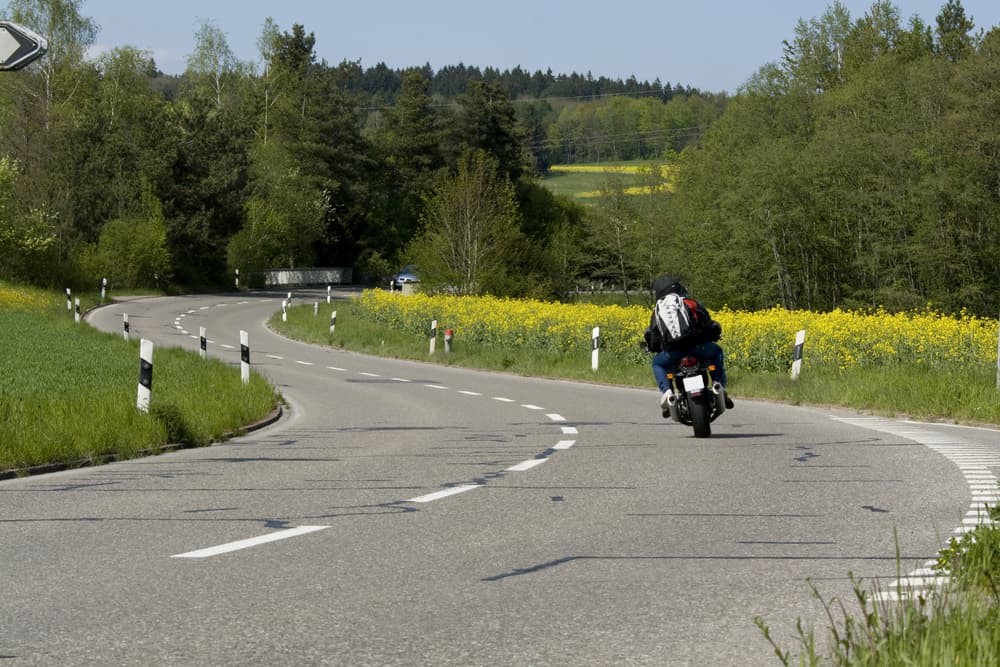 Denver’s proximity to the mountains gives riders access to some of the most memorable routes in the country. These roads offer a mix of elevation, curves, and scenery, but they still require careful attention and preparation. Understanding the common causes of motorcycle accident injuries can help riders stay aware of the risks they may face on mountain roads.
Mount Blue Sky Scenic Byway (Formerly Mount Evans Scenic Byway)
The Mount Blue Sky Scenic Byway is one of the highest paved roads in North America, climbing to over 14,000 feet. The route features tight turns, steep drop-offs, and unmatched panoramic views.
While the road is well-maintained, the elevation brings its own challenges. Weather can shift quickly, temperatures can drop unexpectedly, and oxygen levels are lower at higher elevations. Riders should plan ahead and take their time navigating the climb.
For those prepared for the conditions, this route offers a unique and rewarding experience.
Peak to Peak Highway
Running between Estes Park and Central City, the Peak to Peak Highway provides a longer and more gradual ride through the Rockies. The road is generally less technical than other mountain routes, making it a good option for riders who want a scenic experience without constant sharp turns.
Along the way, riders pass through forests, open mountain views, and small towns where they can stop and rest. It’s a route that balances accessibility with scenic value.
Trail Ridge Road
Trail Ridge Road cuts through Rocky Mountain National Park and reaches elevations above 12,000 feet. The route offers sweeping views and frequent wildlife sightings, making it one of the most visually striking rides in Colorado.
However, it requires preparation. The road is only open seasonally, and weather conditions can change quickly. Wind, temperature drops, wildlife, and limited guardrails in certain areas can all increase risk.
Guanella Pass
Guanella Pass offers a shorter but more technical ride, connecting Georgetown and Grant. The route includes sharp curves, elevation changes, and scenic overlooks throughout the national forest.
Because of its narrower sections and winding nature, riders should stay alert and maintain a controlled pace, especially when encountering other vehicles or cyclists.
Squaw Pass (Squaw Pass Road / CO-103)
Squaw Pass offers a convenient mountain ride near Denver, connecting Evergreen and Idaho Springs. The road includes steady elevation gain, curves, and scenic views without requiring a full-day commitment.
Its proximity to the city makes it a popular choice, but it can also mean higher traffic at times, especially on weekends.
Other Notable Routes Near Denver
In addition to the main routes, several shorter rides offer worthwhile experiences:
- Golden Gate Canyon Road provides a mix of curves and elevation changes through wooded areas
- Lookout Mountain Road offers quick access to scenic views overlooking Denver
- Mount Bierstadt routes provide access to high-elevation riding with dramatic landscapes
These roads can be good alternatives when you want a shorter ride or want to avoid busier mountain highways.
What are the Worst Motorcycling Roads in Denver?
While Denver has many great riding routes, certain roads present consistent challenges for motorcyclists. These are often areas with heavy traffic, poor road conditions, or high-speed driving patterns.
I-25
Interstate 25 is one of the busiest highways in Colorado. High speeds, frequent lane changes, and distracted drivers make it particularly dangerous for riders.
Even experienced motorcyclists may find it difficult to maintain safe spacing in congested conditions. Debris, sudden stops, and unpredictable driver behavior add to the risk.
I-70
I-70 combines heavy traffic with challenging terrain, especially as it moves into the mountains. Construction zones, changing weather, and steep grades can make riding conditions unpredictable.
Tunnel sections also create visibility issues and sudden lighting changes that can affect reaction time.
Colfax Avenue
Colfax Avenue is one of Denver’s most well-known streets, but it presents multiple risks for motorcyclists. Frequent stops, pedestrian traffic, and inconsistent road conditions make it difficult to maintain a steady and predictable ride.
Potholes, sudden turns, and distracted drivers can increase the likelihood of an accident.
Federal Boulevard
Federal Boulevard is another high-traffic corridor with frequent congestion. Sudden stops, merging vehicles, and aggressive driving patterns can create dangerous situations for riders.
Speer Boulevard
Speer Boulevard’s mix of commuter traffic, delivery vehicles, and changing traffic patterns can make it difficult for motorcyclists to anticipate driver behavior. Intersections and merging traffic are common points of concern.
How Traffic Patterns in Denver Impact Motorcyclists
 Traffic patterns in Denver can change dramatically depending on the time of day, day of the week, and even the season. For motorcyclists, these shifts can significantly affect safety.
Rush hour traffic on major roads like I-25, I-70, and Speer Boulevard creates a high-risk environment. Frequent stopping, sudden lane changes, and distracted drivers increase the likelihood of a collision.
In addition to commuter traffic, several other factors affect riding conditions:
- Rideshare and delivery vehicles, which often stop unexpectedly or make quick turns
- Downtown congestion, where pedestrians, cyclists, and vehicles all compete for space
- Weekend mountain traffic, especially during ski season or summer tourism
- Event traffic, including concerts, sporting events, and festivals
Motorcyclists are particularly vulnerable in these situations because they are less visible and have less protection in the event of a crash.
Recognizing when and where traffic patterns become more dangerous can help you plan your rides more carefully and avoid high-risk conditions when possible.
Why Some Roads Are More Dangerous for Motorcyclists
It’s not just the road itself that creates risk—it’s how different factors combine. Motorcyclists are more vulnerable because they rely on balance, visibility, and road conditions in ways that drivers of larger vehicles do not. Certain factors can increase the likelihood of a crash, including:
- High traffic density
- Frequent stops and intersections
- Poor road maintenance
- Limited visibility or blind curves
- Distracted or aggressive drivers
Even a well-maintained road can become dangerous when these factors are present.
How Road Conditions in Denver Affect Motorcycle Safety
Even experienced riders can be caught off guard by road conditions. In Denver and the surrounding areas, surface quality can play a major role in how safe a ride actually is, sometimes more than traffic or speed.
Unlike passenger vehicles, motorcycles rely heavily on traction and balance. Small surface issues that might go unnoticed in a car can create serious hazards for a rider. Knowing what to do after a motorcycle accident can help protect your health, safety, and legal rights.
Common road conditions that can lead to motorcycle accidents in Denver include:
- Potholes and uneven pavement, which can destabilize a motorcycle or cause loss of control
- Loose gravel or debris, especially on mountain roads or after storms
- Construction zones, where lane shifts, rough pavement, and unexpected obstacles are common
- Painted road markings, which can become slick in rain or early morning moisture
- Sand and salt residue, particularly in the spring after winter road treatment
Mountain routes near Denver are especially prone to debris, including rocks, dirt, and fallen branches. These hazards can appear suddenly around curves or after elevation changes, leaving little time to react.
Understanding how these conditions affect your ride can help you adjust your speed, positioning, and expectations, especially on unfamiliar roads.
Tips for Riding Safely in Denver
No matter where you ride, preparation and awareness play a major role in reducing risk.
Stay visible
Many accidents happen because drivers fail to see motorcycles. Wearing proper gear and positioning yourself clearly in traffic can help reduce that risk.
Adjust for weather and elevation
Mountain weather can change quickly. Wind, rain, and temperature drops can affect both traction and comfort.
Ride defensively
Assume that other drivers may not see you or may make sudden decisions. Keeping extra space and scanning the road ahead can give you more time to react.
Maintain your motorcycle
Routine maintenance helps ensure that your brakes, tires, and other systems are functioning properly. This is especially important on winding or high-speed roads.
Best Times of Year (and Day) to Ride in Denver
Choosing when to ride can be just as important as choosing where to ride. Denver’s climate and traffic patterns create times that are more favorable—and others that carry added risk.
Seasonal considerations
Spring can bring lingering hazards from winter, including sand, gravel, and potholes that developed during freeze-thaw cycles. Roads may appear clear, but still have reduced traction in certain areas.
Summer offers some of the best riding conditions, but it also brings afternoon thunderstorms. Sudden rain can reduce visibility and make road surfaces slick, especially in the mountains.
Fall provides cooler temperatures and scenic views, but shorter daylight hours and sun glare during early mornings and evenings can affect visibility.
Winter conditions make riding more limited. Snow, ice, and cold temperatures create unsafe conditions for most riders.
Time of day
Early morning rides often provide lighter traffic and more predictable conditions. However, cooler temperatures and moisture can affect traction.
Midday riding typically offers better visibility and road warmth, but traffic levels may increase depending on the location.
Evening rides, especially during rush hour, can be more dangerous due to congestion, driver fatigue, and reduced visibility as daylight fades.
By paying attention to both seasonal and daily patterns, riders can make more informed decisions and reduce their exposure to risk.
What to Do After a Motorcycle Accident in Denver
Even when you take precautions, accidents can still happen. Knowing what to do next can help protect your health and your ability to recover compensation after a motorcycle accident.
After seeking initial medical attention, it’s important to:
- Document the motorcycle accident scene if possible
- Gather contact information from other drivers and witnesses
- Keep records of your medical treatment and expenses
- Avoid discussing fault with insurance companies
- Seek legal guidance before accepting any settlement offers
Motorcycle accidents often involve serious injuries and complex claims. Many riders cannot gather evidence at the scene or follow up with witnesses because of their injuries. An experienced motorcycle accident lawyer can investigate your crash quickly and help preserve evidence to support a personal injury claim.
Partnering with a reputable law firm as soon as possible can make a meaningful difference in how your case is resolved. Reach out today for a free consultation to learn more about your legal rights.
Contact Fuicelli & Lee to Learn More About Your Legal Options After a Motorcycle Crash
 While some roads offer incredible riding experiences, others present real risks, especially when other drivers fail to pay attention or share the road safely. If you were injured in a motorcycle accident in Denver, understanding your legal options is an important step toward recovery.
At Fuicelli & Lee Injury Lawyers, our motorcycle accident attorneys work with injured riders to investigate what happened and pursue compensation for the full impact of their injuries.
Call (303) 444-4444 for a free consultation or complete our online contact form to learn more.